 User Management
 Group Management
 OU Management
 Gmail Management
 Drive Management
 Calendar Management
 Device Management
 Workspace Reporting
 Workspace Automation
 Billing & License Management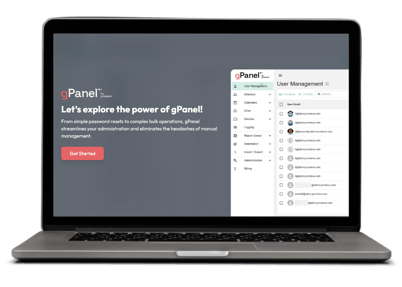

The Google Workspace Offboarding Checklist
 John Pettit : Aug 21, 2024, 5:00:00 AM
Learn how to streamline Google Workspace offboarding, safeguard your organization's data, and maintain operational continuity.


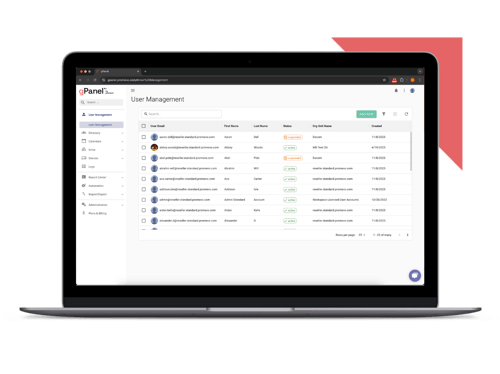
Simplify Google Workspace management with our most essential tools for user and email administration.
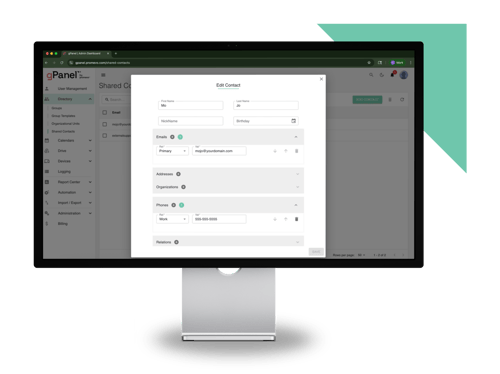
Unlock powerful automation, bulk actions, and reporting features to streamline and scale your admin workflows.
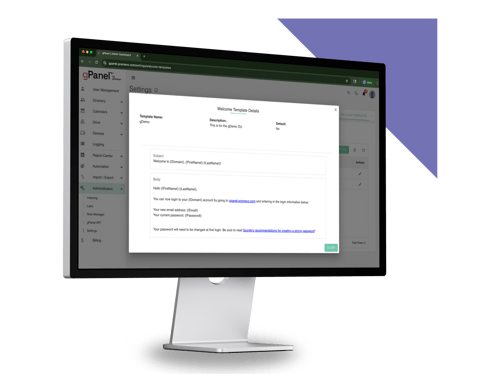
Take full control of your domain with advanced policies, APIs, and security tools built for large or complex environments.

User management shapes how your entire Google Workspace environment behaves. Every permission, every group, every policy starts with how you set up and maintain your users. You feel the impact immediately when things go right, and you feel it even more when they don’t.
You don’t just create accounts and move on. You define access, enforce structure, and carry responsibility for security across every user in your domain. That includes onboarding new hires, adjusting access as roles change, and shutting things down cleanly when someone leaves.
If your process lacks structure, you end up chasing problems. If your process stays consistent, your environment runs the way you expect.
This guide walks through how to manage users in Google Workspace with intention, how to avoid common breakdowns, and how to scale your approach using tools like gPanel.
Most user management issues don’t start with bad tools. They start with inconsistent setup.
When you create users without a clear structure, everything that follows becomes harder. Permissions drift, access piles up, and you lose track of who should have what.
You need to decide how users fit into your environment before you create them.
Organizational units give you your first layer of control. You group users based on how your organization actually operates. That could mean departments, regions, or job functions. Once you define those groupings, you can apply policies at the OU level instead of configuring users one at a time.
Groups add another layer. Instead of assigning permissions directly to individuals, you assign them to groups and manage membership over time. That keeps access consistent and easier to audit.
You also need a clear approach to roles. Role-based access control ensures users only have what they need to do their job. Nothing more, nothing less. That reduces risk and prevents accidental data exposure.
When you combine OUs, groups, and role-based access, you create a system that holds up as your organization changes.
Even with a solid structure, the day-to-day work adds up quickly.
You onboard new hires. You update access when someone changes roles. You troubleshoot issues when something breaks. You offboard users and make sure you don’t leave anything behind.
Each of those actions involves multiple steps. You assign licenses, place users into the correct OU, add them to groups, configure settings, and make sure everything aligns with your policies.
You repeat that process over and over again.
That repetition creates two problems. It takes time, and it introduces inconsistency. Even small differences in setup can create bigger issues later. One missed group assignment or one incorrect permission can cause confusion or expose data.
You can manage that manually for a while. You can’t scale it without a better system.
You can’t separate user management from security. Every account represents a potential entry point into your environment.
You need to treat every user action as part of your security posture.
Strong authentication forms your baseline. You require secure passwords, enforce two-factor authentication, and apply additional protections for high-risk users. That reduces the chance of unauthorized access.
Visibility matters just as much. You need to monitor login activity, watch for unusual behavior, and understand how users interact with data. When something looks off, you need to catch it early.
Suspension and deletion also play a critical role. You suspend users in Google Workspace when you need to cut off access immediately without losing data. You delete users when you’re ready to remove their presence entirely from your environment.
Each of these actions needs to happen at the right time and in the right order. If you miss a step, you create risk.
User management becomes your first line of defense when you approach it this way.
The Google Admin Console gives you everything you need to manage users at a basic level. You can create accounts, assign licenses, configure settings, and manage access.
It works well when your environment stays small or changes slowly.
You start to feel strain when your organization grows or your workflows repeat more frequently.
Onboarding becomes a series of manual steps you need to complete for every user. Role changes require you to revisit multiple settings and permissions. Offboarding turns into a checklist you need to follow carefully every time.
Bulk changes create another layer of friction. You either handle users one at a time or rely on scripts that add complexity and risk.
You also lack true automation. The system doesn’t respond to changes on its own. You need to initiate every action manually, which slows you down and increases the chance of inconsistency.
At a certain point, the issue stops being effort and starts becoming reliable. You can’t guarantee that every user gets the same setup or that every offboarding process completes the same way.
Workspace admin tools like gPanel shift how you approach user management. Instead of handling tasks one by one, you build systems that manage users from start to finish.
New users should start with the correct setup every time. That includes their permissions, group memberships, organizational unit, and any required configurations.
With gPanel, you can build onboarding policies that define all of that upfront. When you create a user, the system applies those policies automatically. You don’t need to remember every step or double-check every setting.
That consistency matters. It ensures every user starts with the right access and reduces the chance of errors.
Manual updates slow you down as your user base grows.
gPanel lets you apply changes across large groups of users at once. You can update permissions, adjust licenses, or modify settings across entire departments or organizational units.
You don’t need to repeat the same action for each user. You apply it once and move on.
That saves time, but it also improves consistency. Every user receives the same update in the same way.
User management involves patterns. The same triggers lead to the same actions over and over again.
The Rules Engine lets you define those patterns and automate them.
When a user joins a specific department, the system can assign the correct licenses and group memberships. When someone changes roles, their access updates automatically. When a user moves between organizational units, policies adjust to match their new position.
You remove the need to manage those changes manually. The system enforces consistency for you.
User information doesn’t live in one place. Your HR system usually acts as the source of truth for employee data.
The gPanel API lets you connect that system directly to Google Workspace.
When HR adds a new employee, their Workspace account can be created automatically with the correct configurations already applied. When employee details change, those updates can sync without manual input.
This connection reduces duplication and keeps your systems aligned. You don’t need to update the same information in multiple places.
Offboarding creates some of the highest risk in user management. You need to remove access immediately while preserving the data your organization still needs.
gPanel lets you automate that process through decommissioning workflows.
You can suspend accounts, transfer ownership of files, route emails, and apply retention policies based on predefined rules. You don’t need to rely on a checklist or remember each step.
Every offboarding event follows the same process. That consistency protects your environment and reduces the chance of missed actions.
When you move from manual management to structured workflows, the difference becomes clear quickly.
Organizations that grow quickly often struggle with onboarding. New users need access immediately, but manual setup slows everything down and introduces inconsistency.
With a defined system in place, onboarding becomes predictable. Every user starts with the same baseline, and adjustments happen automatically based on role or department.
The same applies to ongoing management. Role changes, department shifts, and policy updates happen constantly. When those actions run through automation instead of manual effort, you maintain alignment across your environment without increasing workload.
You stop reacting to changes and start controlling how they happen.
You don’t need to manage users one action at a time. You need a system that handles those actions for you.
gPanel gives you the ability to standardize onboarding, automate changes, and manage users at scale without losing control.
You reduce manual work. You improve consistency. You strengthen security across your environment.
If you want to see how this fits into your current setup, schedule a gPanel demo and walk through your user management process step by step.

 John Pettit : Aug 21, 2024, 5:00:00 AM
Learn how to streamline Google Workspace offboarding, safeguard your organization's data, and maintain operational continuity.
 John Pettit : Jun 12, 2025, 5:00:00 AM
Efficiently manage remote offboarding in Google Workspace. Automate tasks, enhance security, and streamline processes for a seamless, secure...
 John Pettit : Oct 1, 2024, 5:00:00 AM
Ensure new hires are set up for success with this Google Workspace onboarding checklist.